News and Updates


Stay up to date with the latest news, events and developments from the Choose Life Project. This page will be updated regularly with project updates, success stories, partnership announcements and highlights from the work we do across schools, communities and professional settings.


Choose Life Event at Coleg Cambria


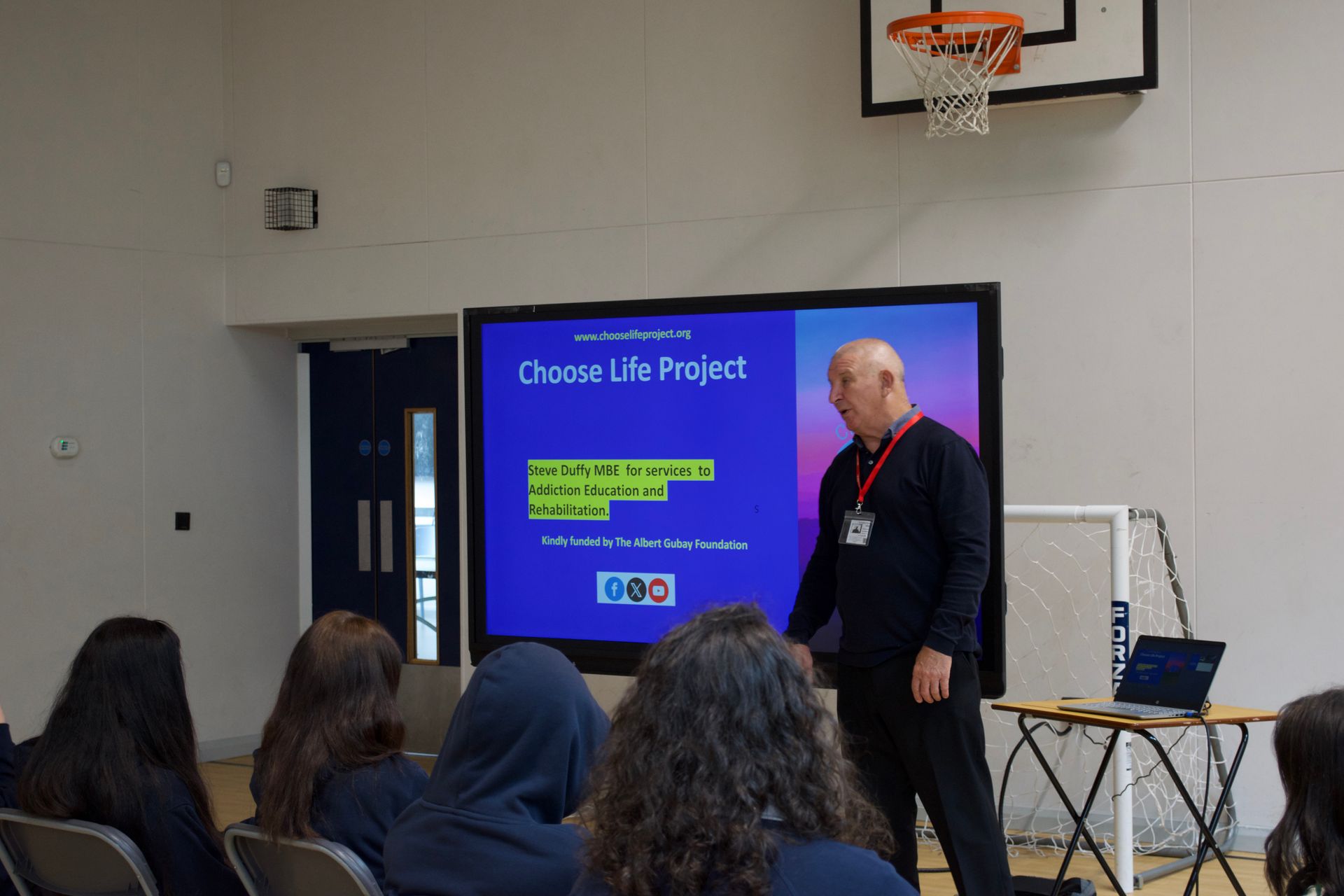
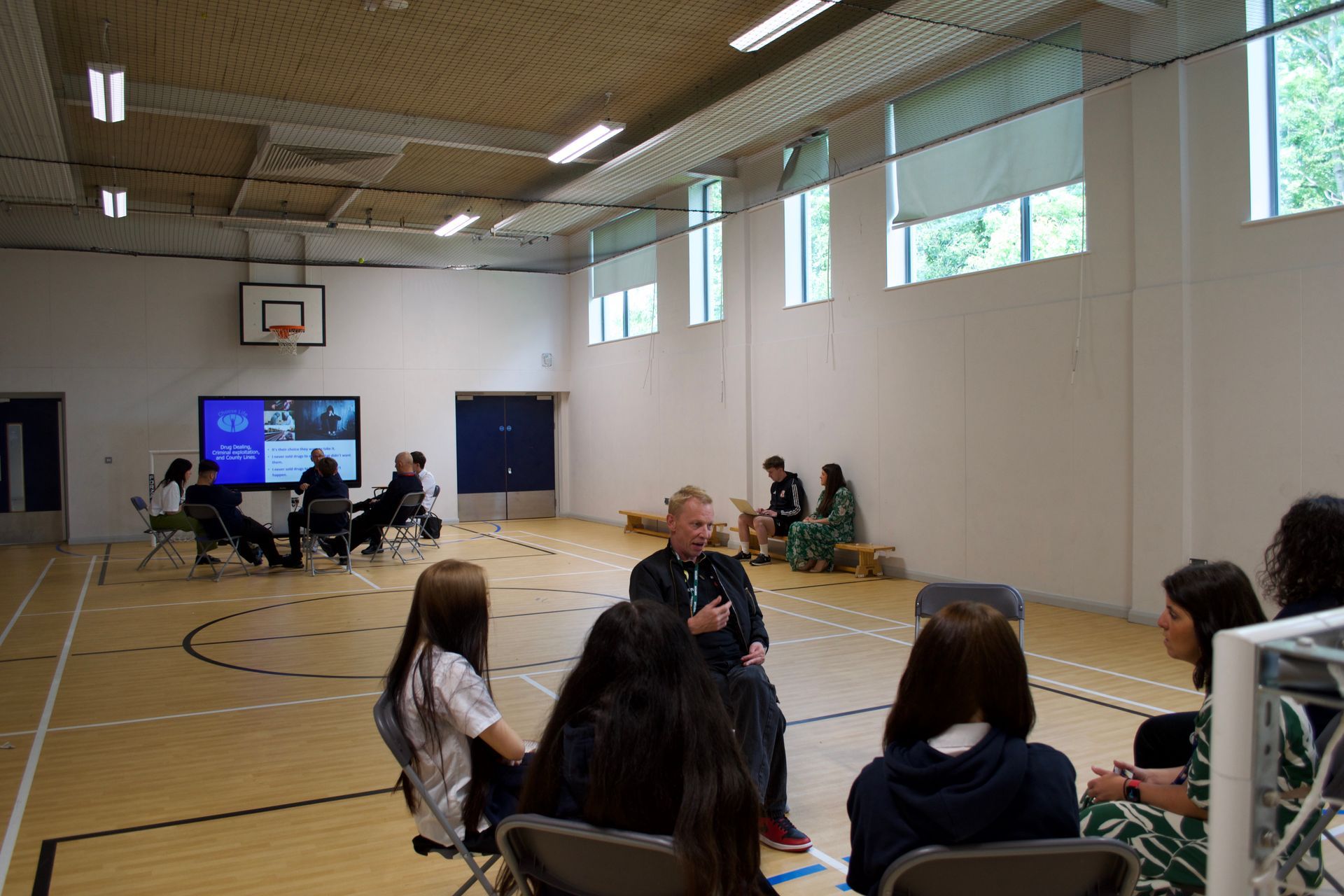
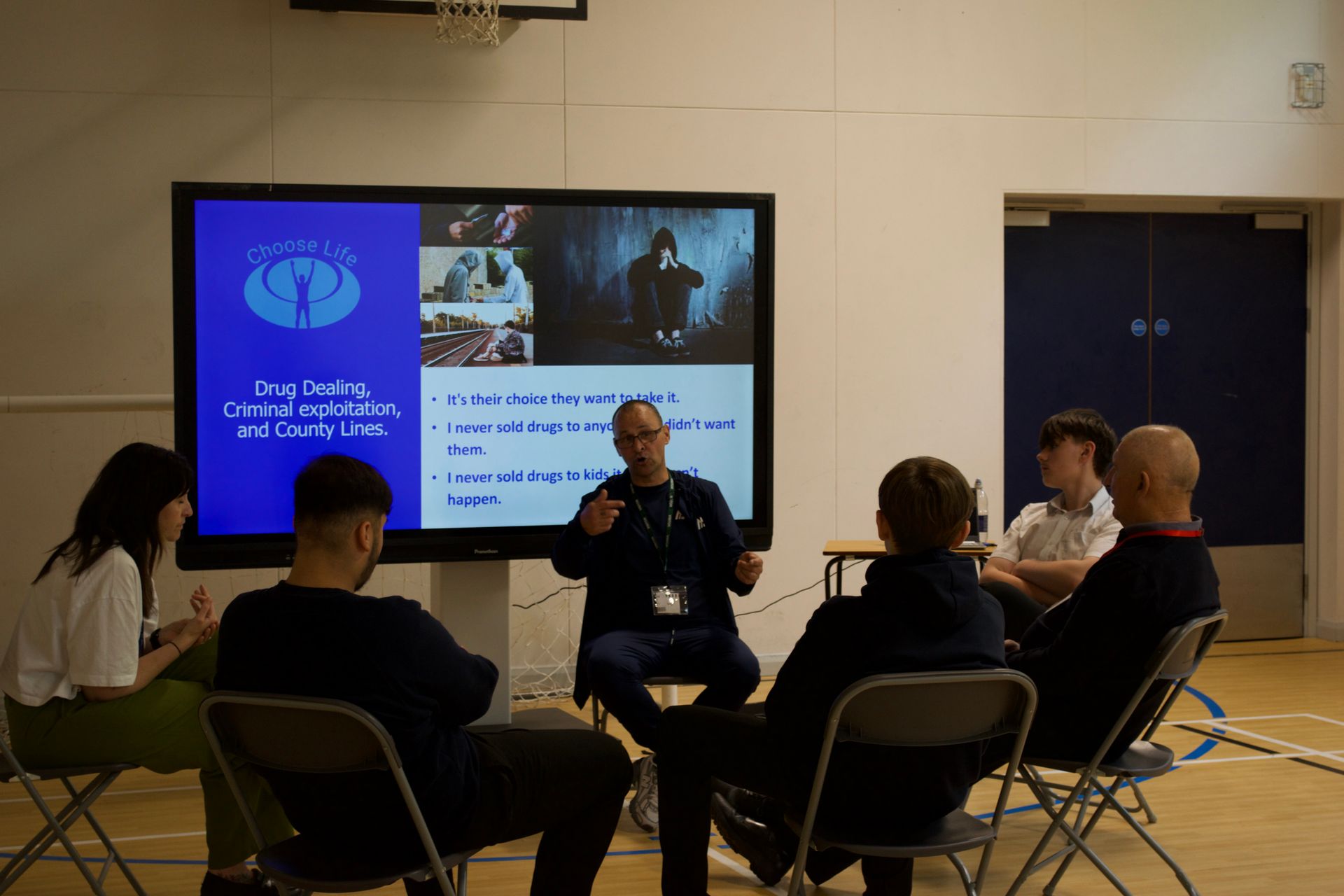
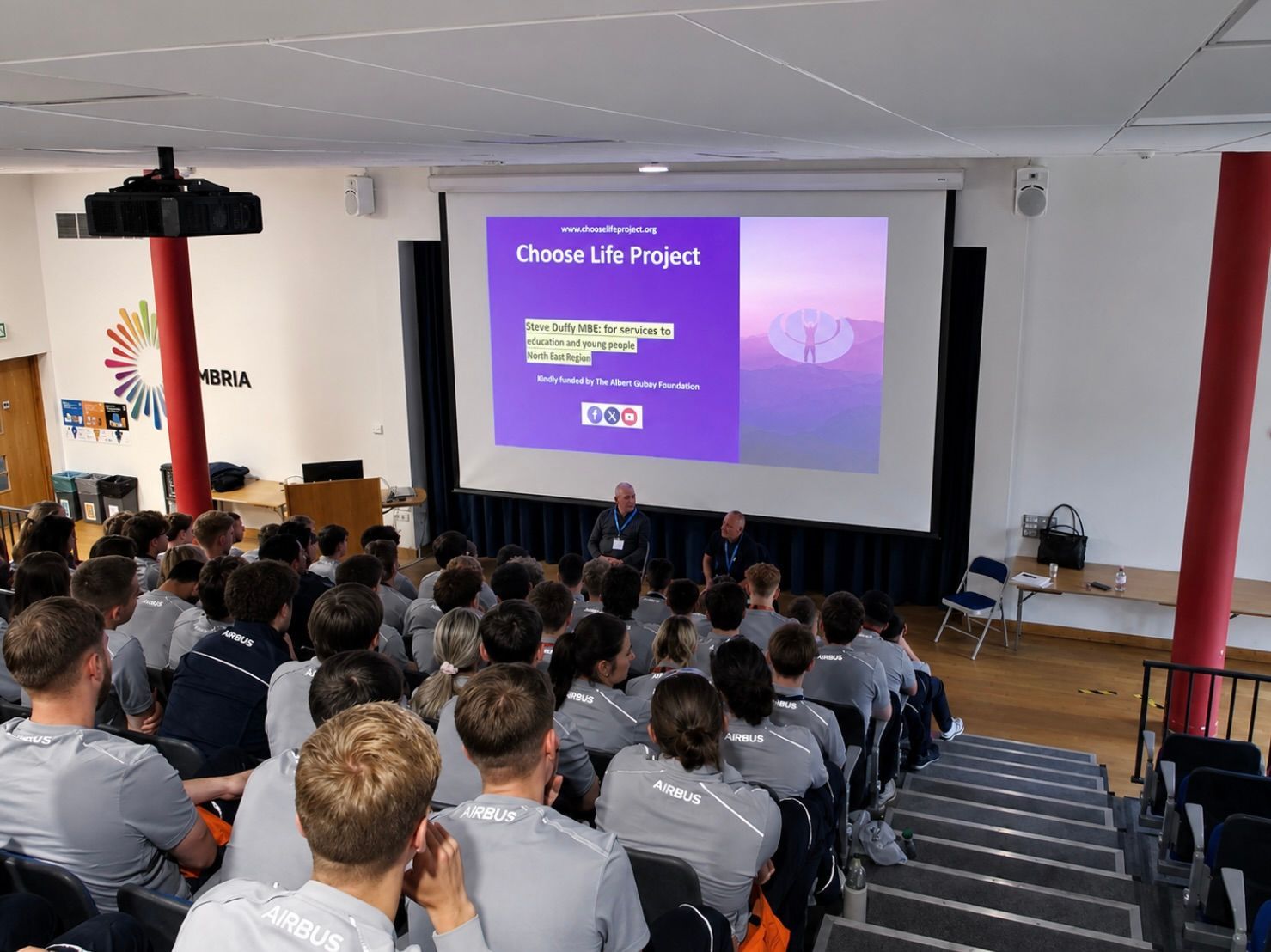
On Monday 1st June 2026, Choose Life visited Coleg Cambria to deliver an engaging and thought-provoking event centred around addiction, recovery and the power of lived experience-based eduction. Through honest storytelling and open discussion, students and staff were given a unique insight into the realities of substance misuse and the journey towards positive change. Here you will find a photo from the event and an article below, highlighting moments the event had an impact on the students and staff.

For Two Hours, Over 100 Young Adults Sat in Complete Silence


Written by Kelsey Thompson, Intern at Choose Life


There were around 100 apprentices in the room, but you wouldn't have known it from the noise. As the morning went on, conversations stopped, phones disappeared and the room became completely focused on the stories being shared. What began as a drug awareness event quickly became something much more personal. Over the course of the session, students heard from people who had lived through addiction, prison, trauma and recovery. They listened to stories of opportunities lost, families affected and lives changed by substance misuse. At different points there was laughter, shock, anger and silence. One moment had people leaning forward in their seats, eager to challenge a supposed drug dealer. Another left the room visibly emotional as volunteers spoke honestly about the impact addiction had on their lives and the people they loved. For nearly two hours, the attention in the room never drifted. Every story shared felt real, because it was.

One of the most powerful moments of the day came during a session involving a former drug dealer. As he spoke, the atmosphere in the room began to change. What started as curiosity quickly turned into frustration as everyone listened to him openly discuss making money from addiction, recruiting young people to sell drugs on his behalf and avoiding the consequences himself while others took the risks. The longer he spoke, the more engaged the audience became. Students challenged him on his decisions, questioned his morals and asked what had finally made him stop. When asked how he would feel if somebody sold drugs to his own children, he admitted there would be consequences.

However, it was his final answer that changed the mood in the room completely. When asked what he was doing now, he casually replied that he was still living off the profits he had made. The reaction was immediate. One young man could no longer hide his anger, standing up and shouting across the room. He challenged the dealer on the damage he had caused and questioned how somebody who had profited from addiction could still be benefiting from it years later. Around the room, people shook their heads, rolled their eyes and voiced their frustration. The emotion was real.

Then came the reveal. The audience learned that the entire exchange had been a role play designed to provoke exactly those feelings and encourage discussion around the realities of drug dealing and exploitation. The room erupted into applause. What made the exercise so effective was not simply the information being shared, but the reaction it created. For a few minutes, the audience wasn’t just listening to a presentation. They were emotionally invested in it.

If the role play brought anger, Meg's story brought silence. At just 23 years old, she spoke honestly about how ketamine went from something she occasionally used with friends at parties to something that completely took over her life. What struck the audience most was how ordinary it sounded at the beginning. Meg explained that she never saw herself as someone who would become addicted. Like many young people, it started as something social, something everyone around her was doing. But as her addiction worsened, so did the consequences. She spoke about developing ketamine bladder and becoming so unwell that she could no longer make it to the toilet in time. She described her dad, who was battling cancer at the time, having to pay off a drug debt after someone threatened to set fire to their home. Perhaps the most powerful moment came when she recalled being rushed to hospital believing she might die, only to leave and take another line of ketamine almost immediately.

Again and again, Meg returned to the same message: she wanted to stop, but she couldn't. Today, she is clean and uses her experience to warn others about how quickly recreational drug use can spiral into addiction. By this point, the room looked very different from when the session began. Those who had been chatting before the event were now sitting forward in their seats, listening carefully to every word.

The final story of the day came from Chris. Now eight months sober, Chris spoke openly about a lifetime of alcohol addiction and the impact it had on both himself and the people around him. Unlike some of the stories shared earlier in the session, Chris's addiction did not begin overnight. He described years of drinking becoming normalised, gradually increasing until alcohol became part of everyday life. Despite maintaining employment and appearing to function on the surface, he admitted he was regularly drinking before work, drinking while driving and convincing himself he still had everything under control.

As he reflected on those years, the focus of his story shifted away from alcohol and towards his family. Chris spoke about the effect his addiction had on his children and the things he had said that could never be taken back. As he described the guilt he carries and the fear of losing the people he loves most, his emotions became visible. The room that had earlier been filled with anger during the role play was now filled with empathy. Students sat quietly as Chris spoke about entering rehabilitation, spending 45 days getting sober and rebuilding relationships with the support of his family. One of the most powerful moments came when he explained that he knows exactly what is at stake if he drinks again.

"I know I will lose my family forever if I drink again."

As he finished speaking, there was a noticeable shift in the room. Several people appeared visibly emotional, and when the session ended many made a point of approaching Chris personally, thanking him for sharing his story and shaking his hand. It was a reminder that addiction does not always look the way people expect it to, and that recovery is not just about getting sober, but about rebuilding a life.

As the session came to an end, the applause was immediate.

After spending almost two hours listening to stories of addiction, prison, recovery and loss, everyone slowly made their way out of the room. Many stopped to thank the volunteers personally for sharing experiences that, for some, had taken years to speak about openly. Several students approached Chris to shake his hand after hearing his story. One professional later thanked the team on behalf of everyone, recognising the impact the event had made on the apprentices.

What stood out most was not what happened during the presentations, but what happened afterwards. The discussions did not stop when the slides ended. People continued talking about the stories they had heard, the choices people make and the realities of addiction long after the session was over. Perhaps that was the biggest success of the day. Nobody left talking about statistics. They left talking about people.